2020 • 10 months
Product lifecycle management platform
A platform that allows to speed up the process of bringing private labels on the market, through integrated management at all stages of the life cycle.
User research
User flow
Wireframes
Prototyping
UX/UI design
Design system
Design presentation
Overview
Company
X5 Group is the largest Russian retailer, managing seven retail chains, and its portfolio also includes four digital businesses and a media platform.
X5 Group is the 2nd largest private
Russian company by revenue
Every retail chain has its own private labels. This gives:
Full control over product type, quality, and pricing.
Expands product assortment to meet diverse customer needs.
Reduces risks by diversifying the supply chain.
Increases profitability through cost efficiency and brand loyalty.
✍️
32% increase in the average check by having private label on the shelf
Goal of the project
To create a unified digital
space for end-to-end
management of private label
lifecycle
Role
Senior Product Designer,
was responsible for
all stages, from the idea
to the implementation
Platform
Web
Team
1 Product manager,
1 Scrum master,
1 Business analyst,
2 frontend developers,
3 backend developers
Project goal
To create a unified digital space for end-to-end management of private label lifecycle stages, accelerating market entry and ensuring process transparency.
Project result
Built a platform from scratch to accelerate private label market entry, reducing launch time from 8-10 months to 4-5 months, centralizing documentation, and improving cross-team collaboration — MVP launched in 8 months.
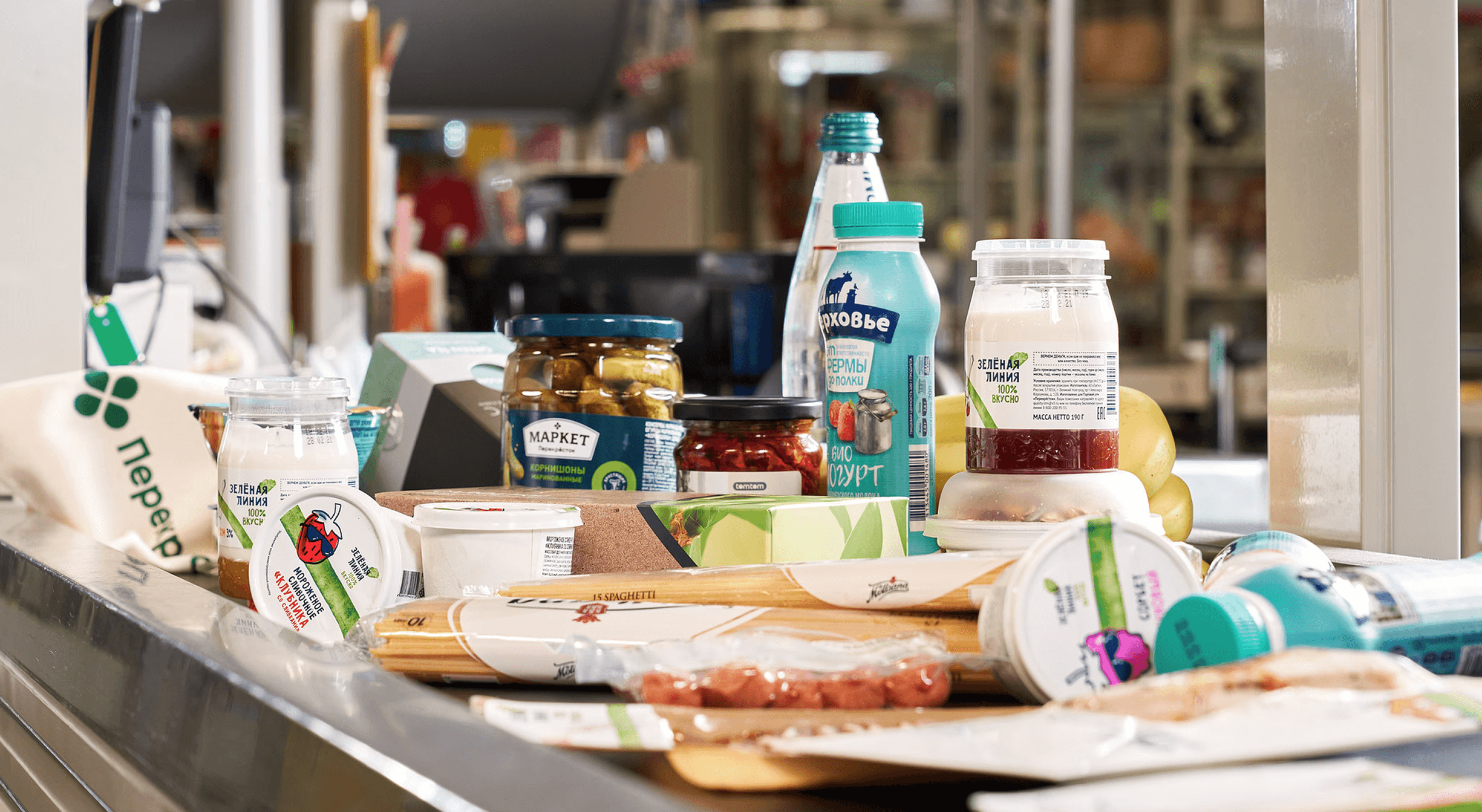
The problems
The process of launching private labels was lengthy, sometimes taking over a year, lacking transparency and relying heavily on specific employees.
🔮
There are no
clear rules
For the preparation of Projects for private labels
🤯
No clear areas
of responsibility
For participants in the private labels entry process
🥨
Long project
startup period
8-10 months on average
💸
Extensive potential
for corruption
Because of the lack of transparency in the process
There were also issues with performance degradation when the number of products increased, concurrent access issues, and versioning violations.
Insights
The product launch process was built entirely on the basis of a specialized excel file.
When working with this file, a number of obvious difficulties arose due to the specifics of the MS Excel functionality, which in this case was a limitation.
Also, due to the large number of entry points, projects and products were sometimes lost or forgotten about, resulting in a very long process to get the product on the shelf in the store.
Entry points:
📊
Excel/Word
☎️
Phone calls
📬
🎙️
conversations
Project goals
Our task was to create a unified space for employees from different departments to work, with a clear structure and clear area of responsibility.
🫥
Transparency
Ability to control deadlines and responsibilities, track history on each project, plan resources and timelines
⏱️
Reduce launch time
Reduce the average project launch time by 1.5-2 times.
🕹️
Automation and standardization
All private labels projects in one place. Process regulation, storage of key documents and artifacts. All product information is up-to-date.
User profiles
The research showed how different users would use the system differently. To account for this, I divided them into three user profiles based on their goals and objectives.
manager
Responsible for your segment of the product life cycle
Tasks
• Complete assigned tasks on time.
• Forward tasks further along the product life cycle chain and track results.
Head of Department
Connect and coordinate work with the entire value chain
Tasks
• Assign tasks & track its progress
• Control deadlines and responsible persons
• Analyze results, share with superiors and make important decisions
Director of Department
General development direction, decision making
Tasks
• Plan resources and deadlines
• Analyze results, share with superiors and make decisions
Preparation
Users. Conducted a series of interviews with users, found out their pain points.
Hypotheses. Collected 100+ hypotheses, which were converted into features.
Analysis. Analyzed and divided the project launch process into stages, as a result of which tasks for the process were obtained.
Process. Analyzed the current launch process and finalized it taking into account the confirmed hypotheses.
Structure. Collected and structured all the files and documents that managers work with when launching a product.
I believe that the CM may forget about the project and it will freeze at some stage and everyone will forget about
I believe that the CM spends a lot of time getting a sample from the supplier and cannot know exactly when he will receive it because:
1. A lot of time is spent on communication with the supplier
2. The supplier takes a long time to send it
3. Many iterations and there are errors
I believe that KM spends a lot of time searching for new suppliers because he does not have their contacts and does not know how to find them
The quality department spends a lot of time conducting the audit and preparing the report. And this is not their main job.
As a CM, I do not have the opportunity to evaluate previously made decisions (there is no plan/fact analysis of the decisions made)
It takes a long time to collect requirements for each type of goods
There is no understanding of what someone will have to do with the private label product and by what deadline
I think that PLM can forget about the project and it will hang at some stage and everyone will forget about it
I believe that PLM and CM periodically perform each other's work, since they do not have a clear delineation of responsibilities in terms of working on the STM project.
It seems to me that the PLM manager independently searches for analogues and spends his time on this, which is already short, since the CM does not have time to do this, and then also asks the CM to finish the work:
- Spends his time doing someone else's work
User flow
As part of the automation of the launch process, the flow was redesigned, divided into additional stages, which allowed many tasks to be made parallel and added transparency to the process.

MVP
Based on the data received and processed, we determined what user needs the system will cover. The main tasks of users are project and product management, task execution, change tracking, documentation storage, planning, reporting and analytics.
Electronic forms of documents
History
of change
Control of deadlines
and responsible persons
Storage
of documents and artifacts
Resource
and deadline planning
Current
statuses and
comments
All
information
on products
Knowledge
base
All projects in one place
Interface for task
management
Lifecycle
analytics
Data quality control
Product
reporting
Financial and economic indicators of product efficiency
Design system
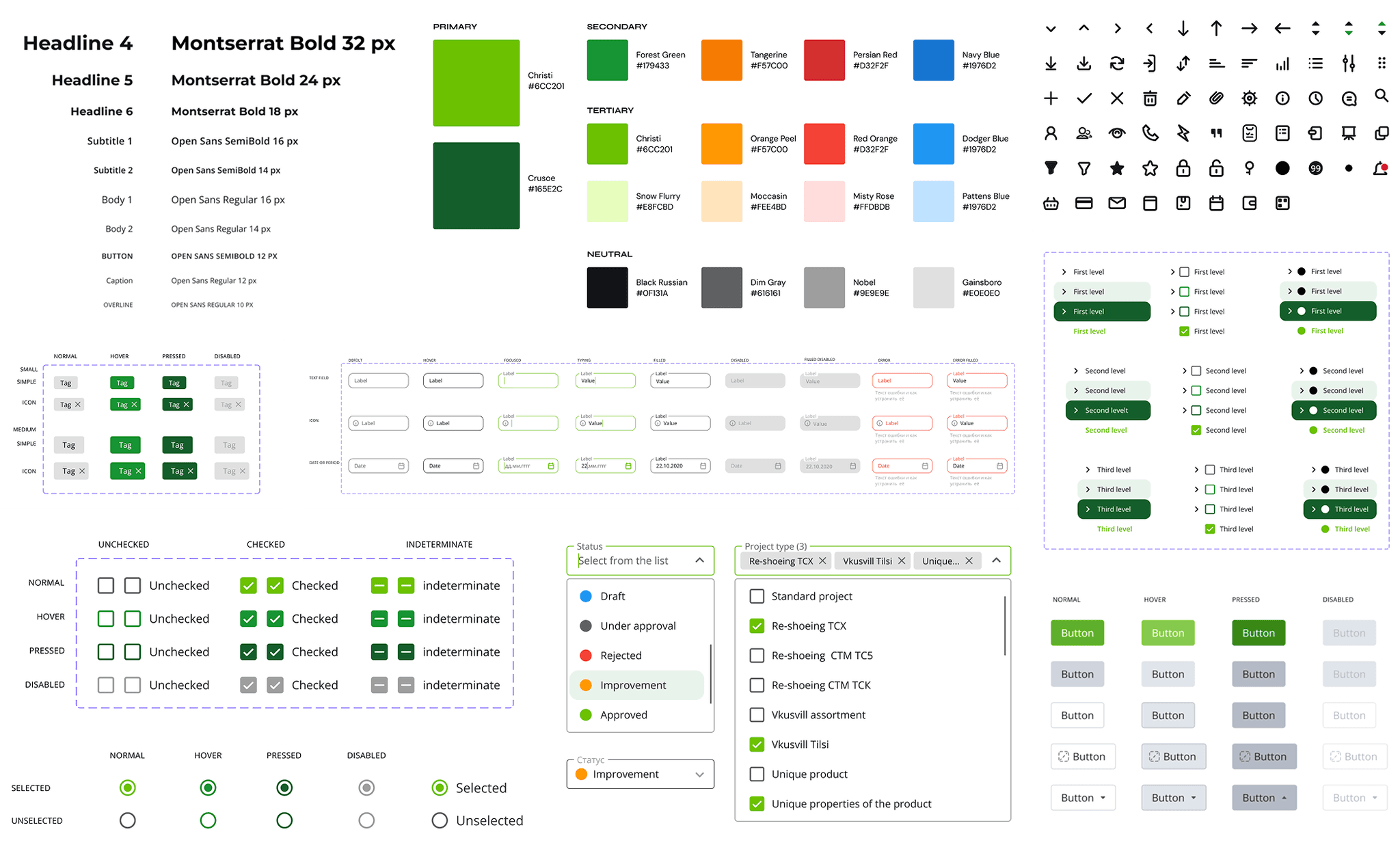
There was no design system for this project, so I created one from scratch.
In agreement with the developers, the component base was created using UAI materials. The corporate green color was taken as a basis.
Design
Tables
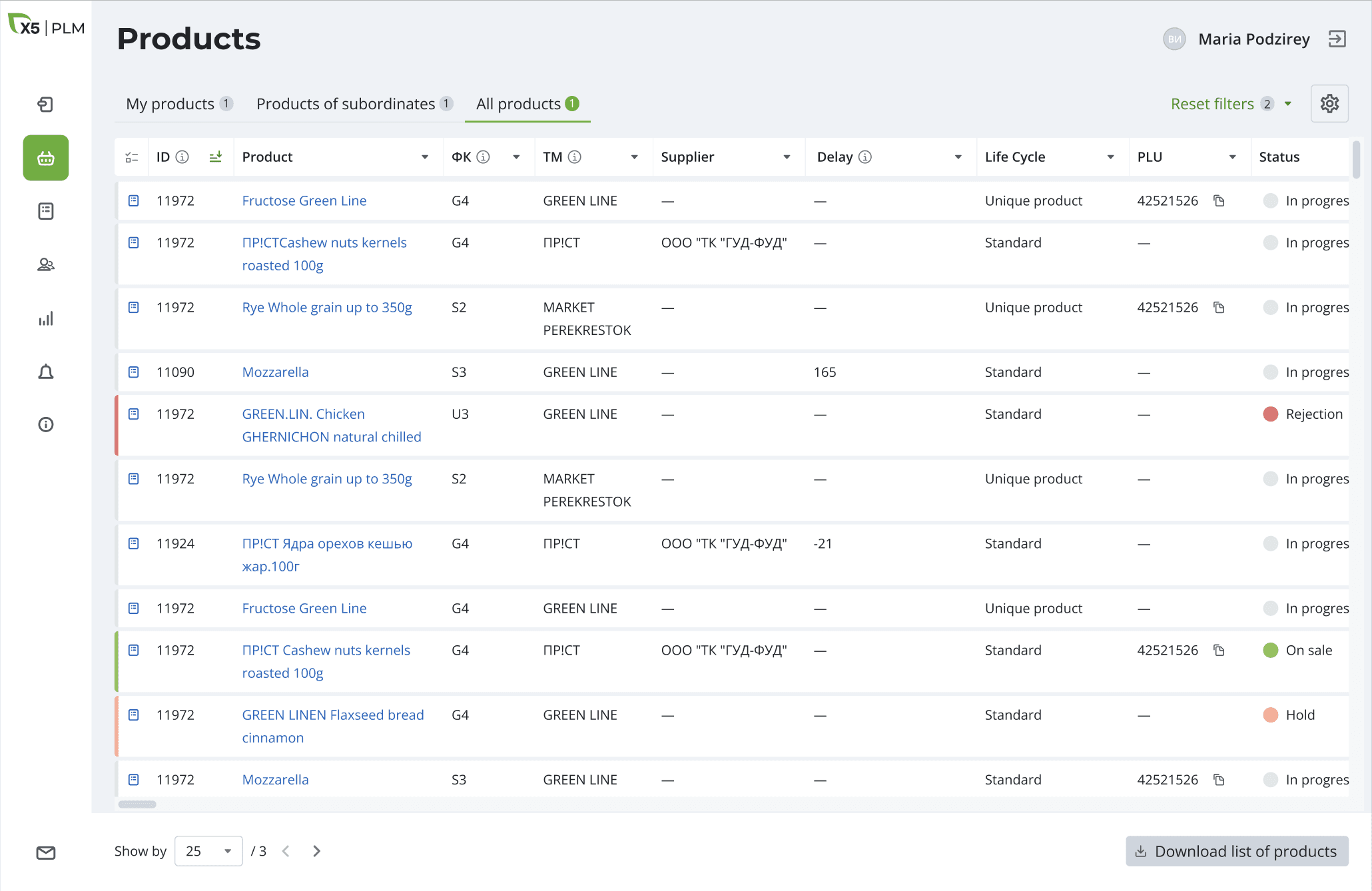
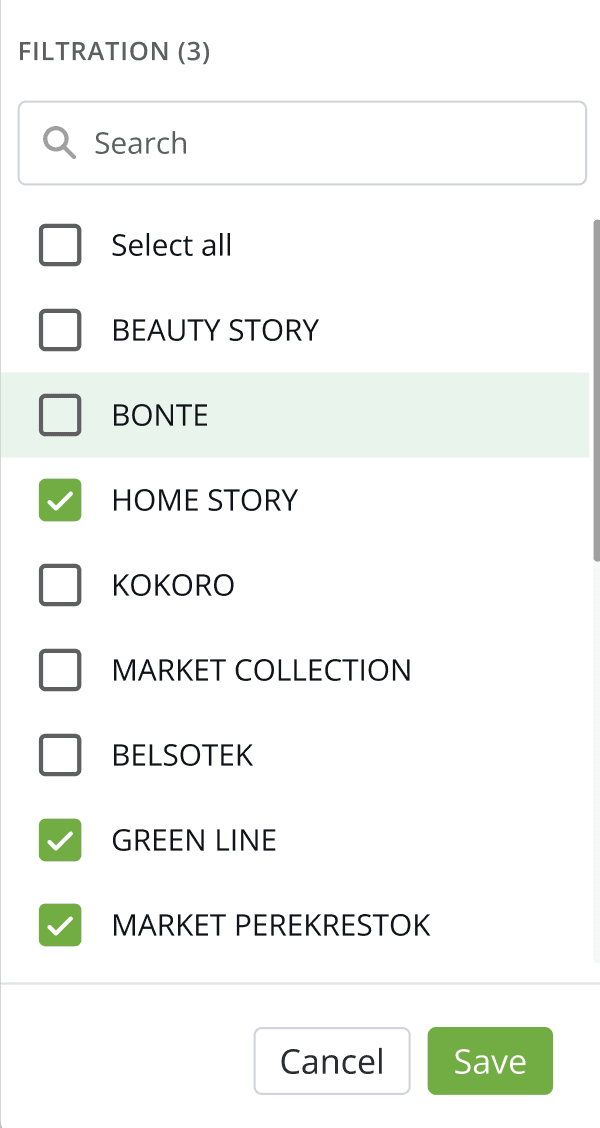
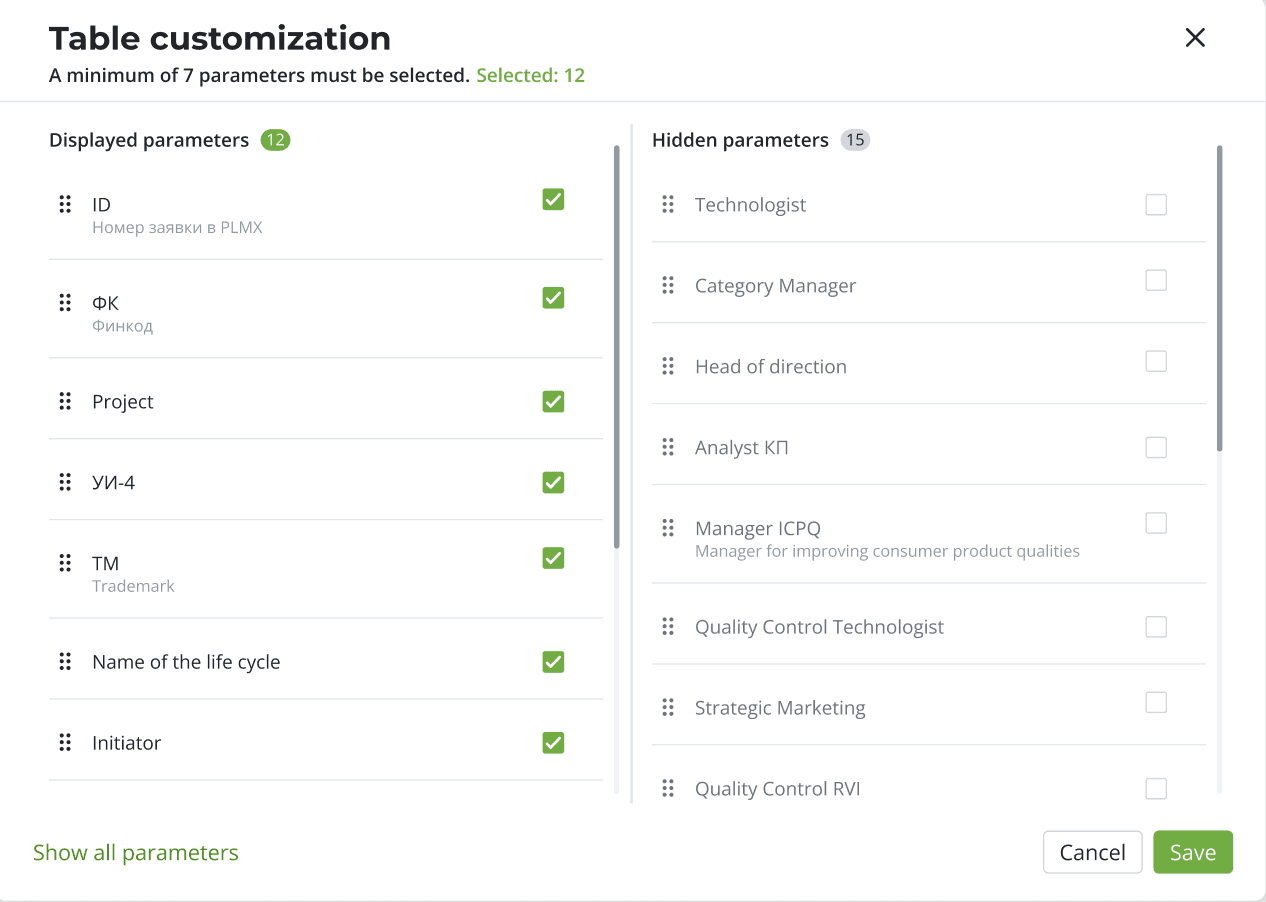
For a long time, users worked only in Excel. Therefore, the main screens of the sections are presented in the form of tables. So that the transition from Excel to the platform was as painless as possible. For ease of use, each table has settings:
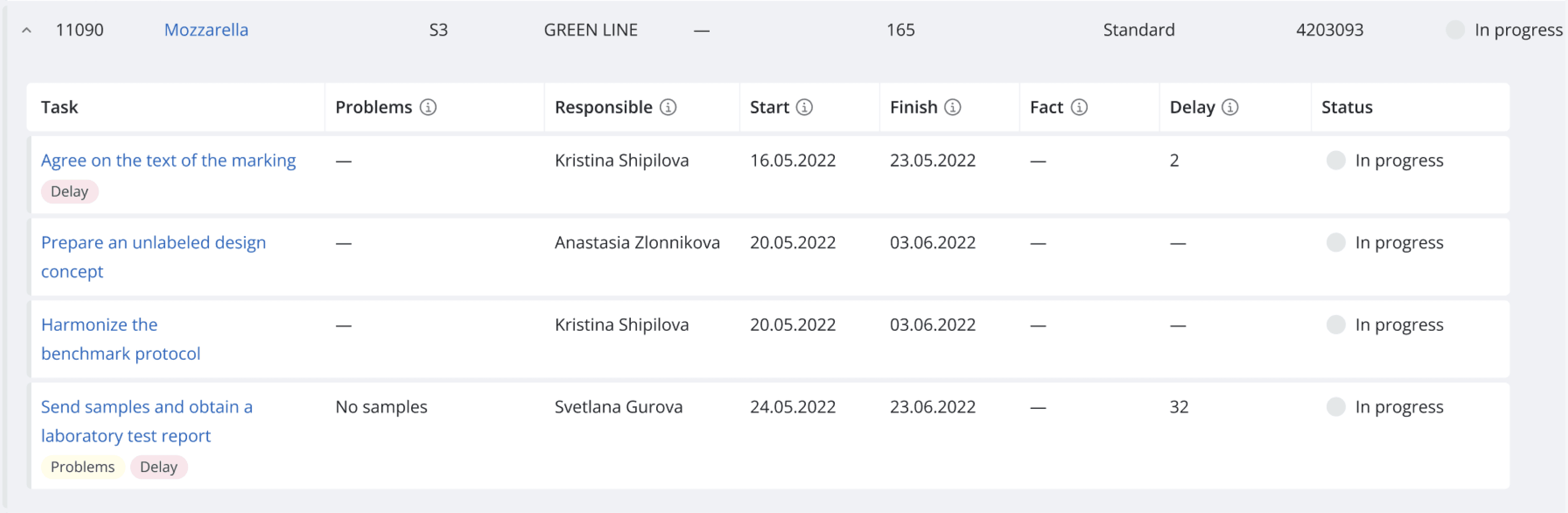
The manager can view the status of current tasks
for each product in the table “ Products ”
🎨
Color indication shows the status
🗂️
High-level filtering
by specific features
🖍️️
Sorting
by columns
✅️
Selecting table fields
for your needs
Cards
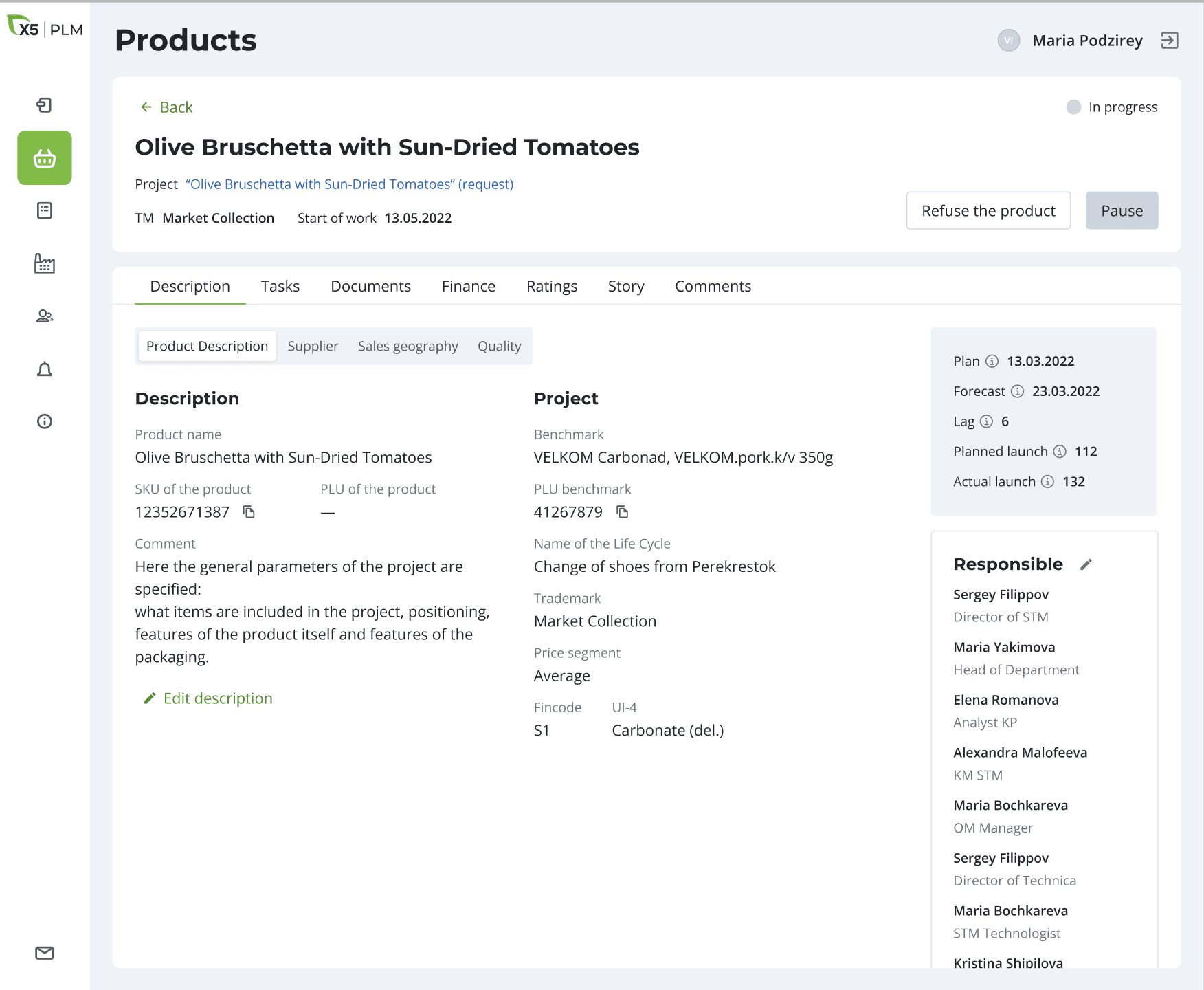
The main work in the system is built in project/product/task cards. The card consists of two parts:
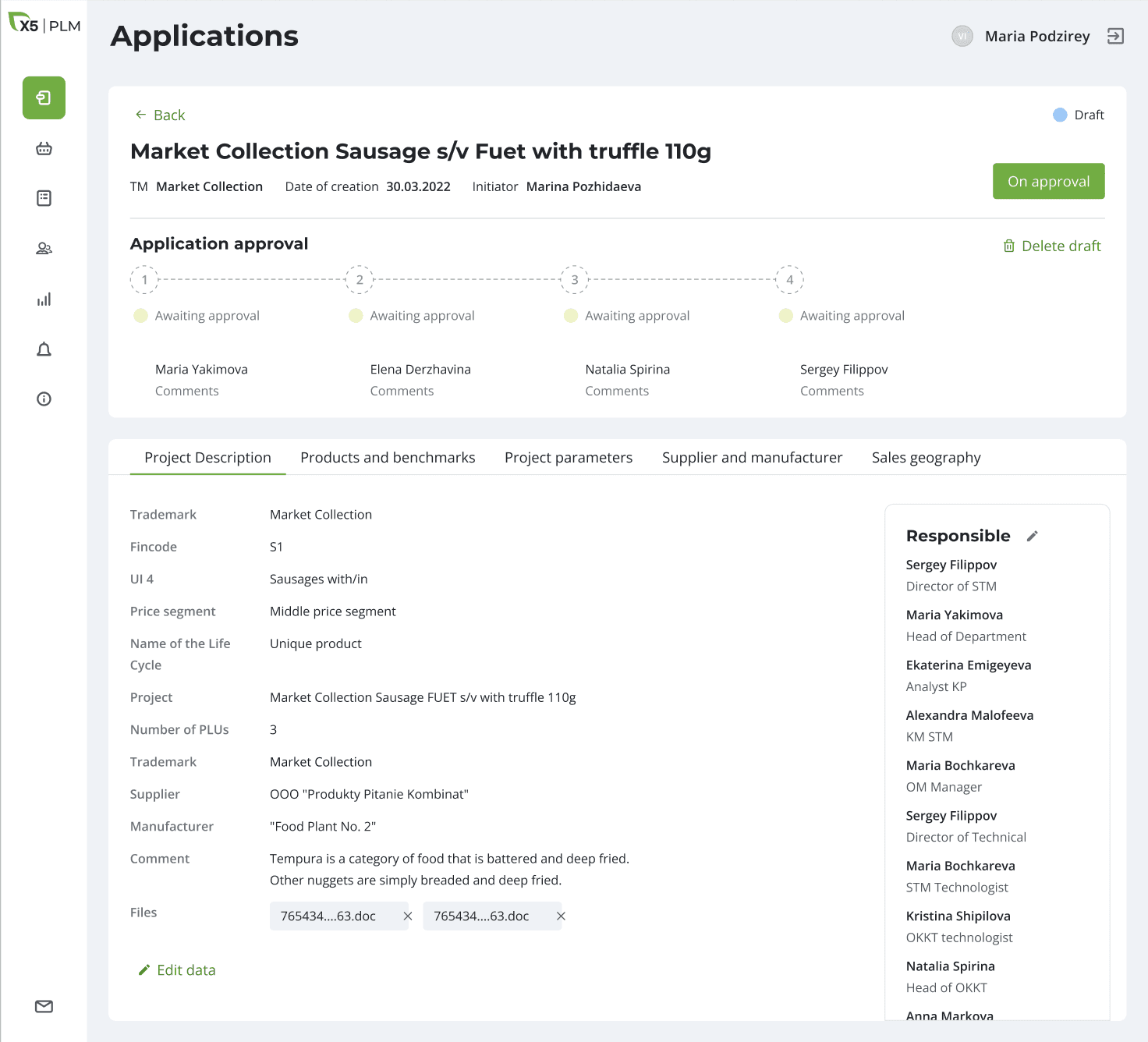
General information
This part contains the name, dates, responsible persons, etc. As well as all the main actions on these cards (Agree, certify, etc.)
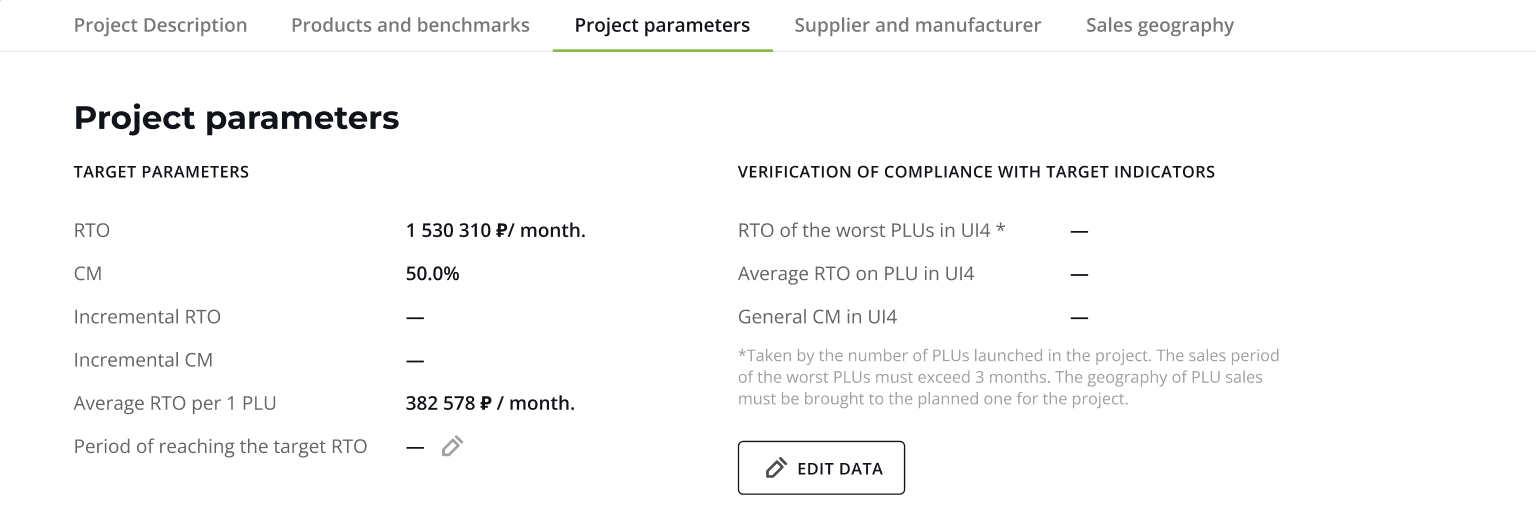
The main data block with tabs
All work takes place at the bottom of the card. The information is divided into tabs, in which users must fill in or add the necessary information.
Application
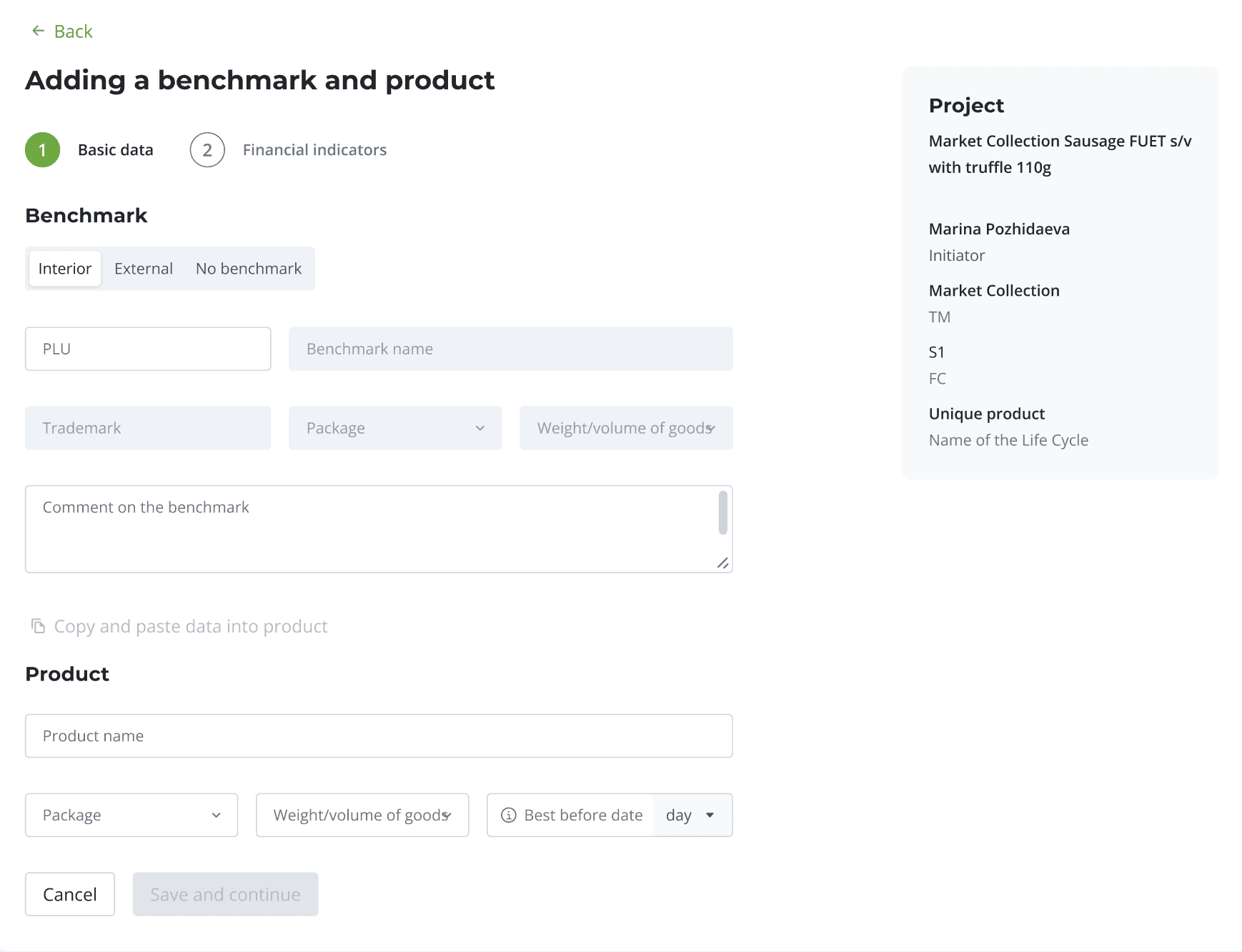
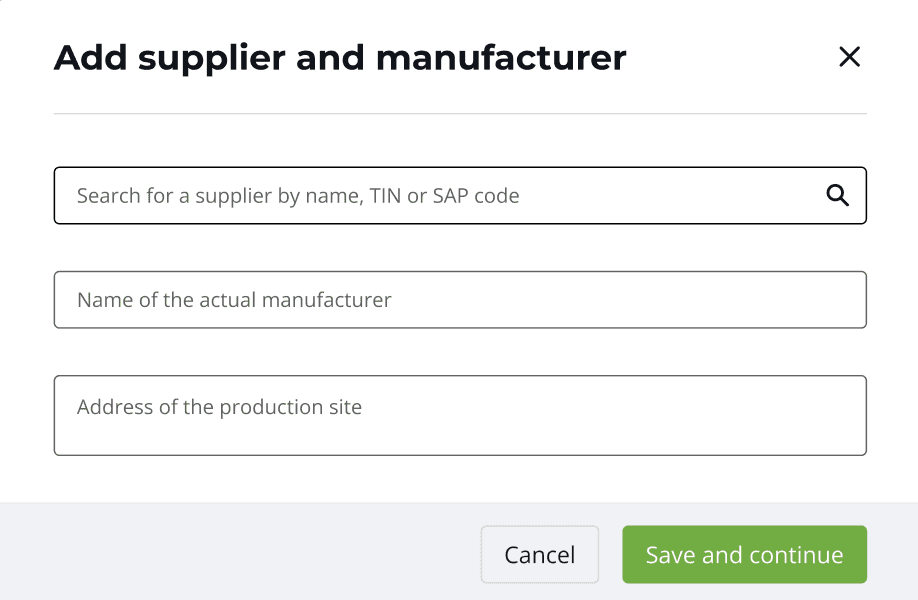
After creating a draft application, the initiator must fill it out and send it for approval. After creating a draft application, the initiator must fill it out and send it for approval.
✅ Problem solved
There are no clear rules
An application form has been developed that provides an understanding of what data is needed to start the Project approval process
2️⃣ Fill out all the tabs
3️⃣ Send for approval
1️⃣ Create application
To send an application for approval,
you need to fill in all fields in the card
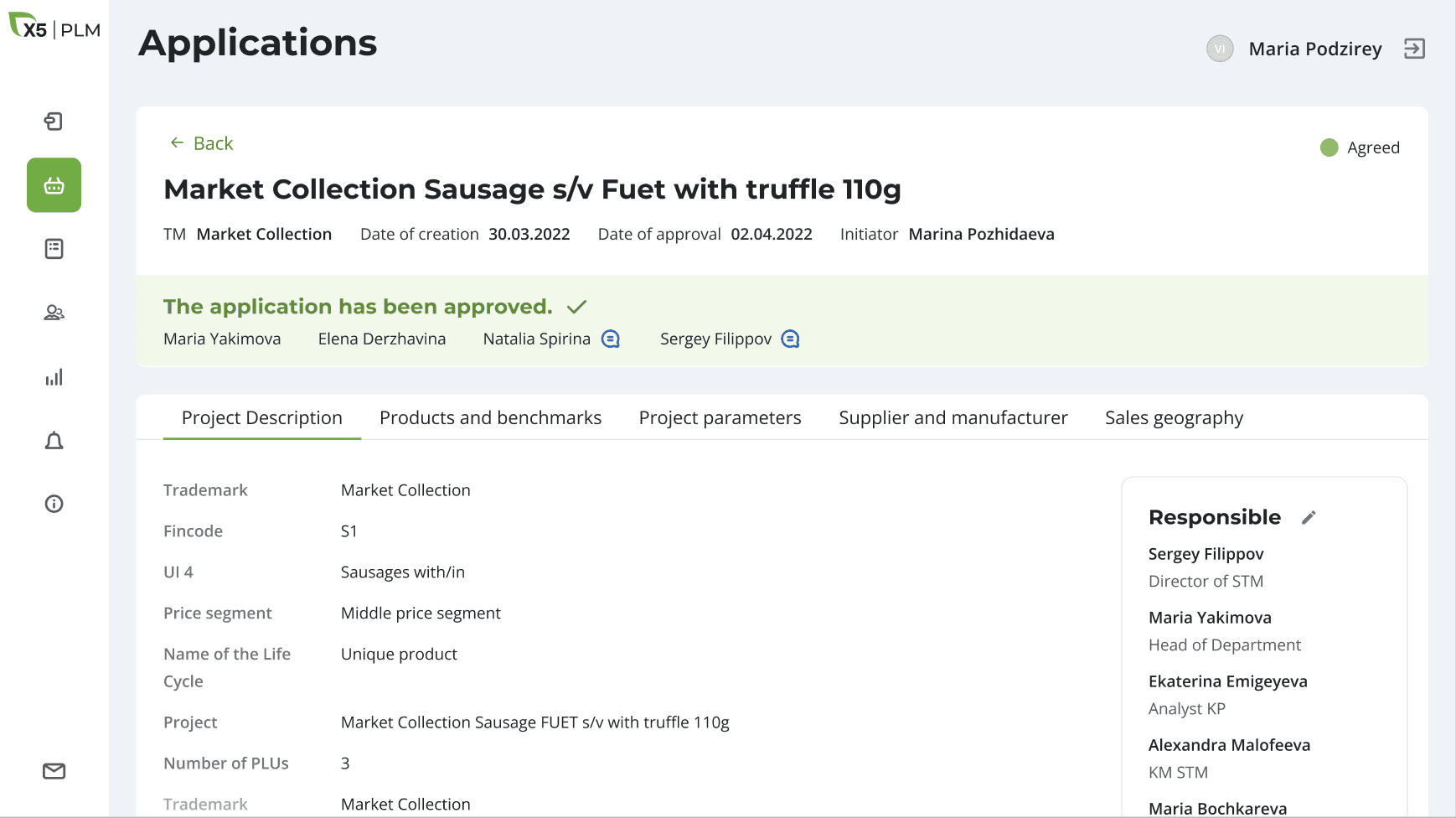
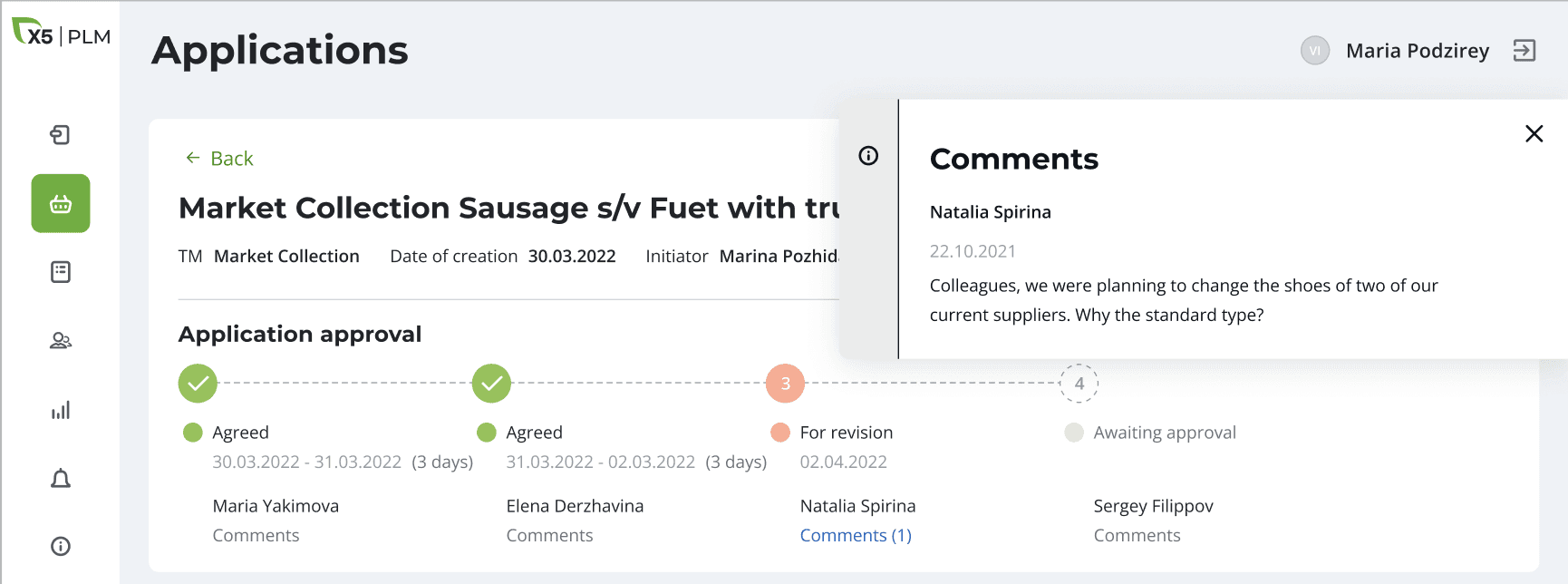
Only after the application is approved,
goods appear in the system
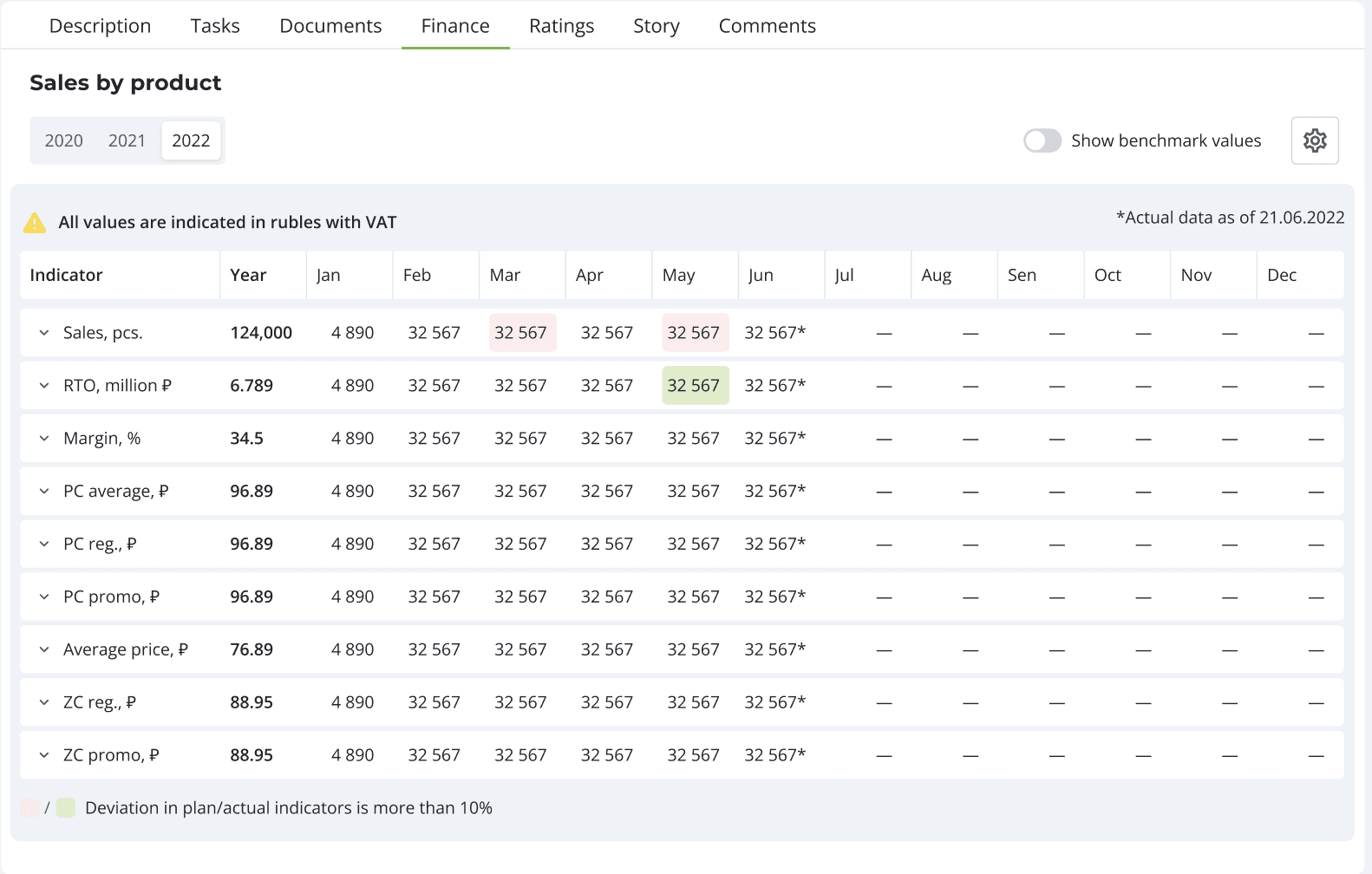
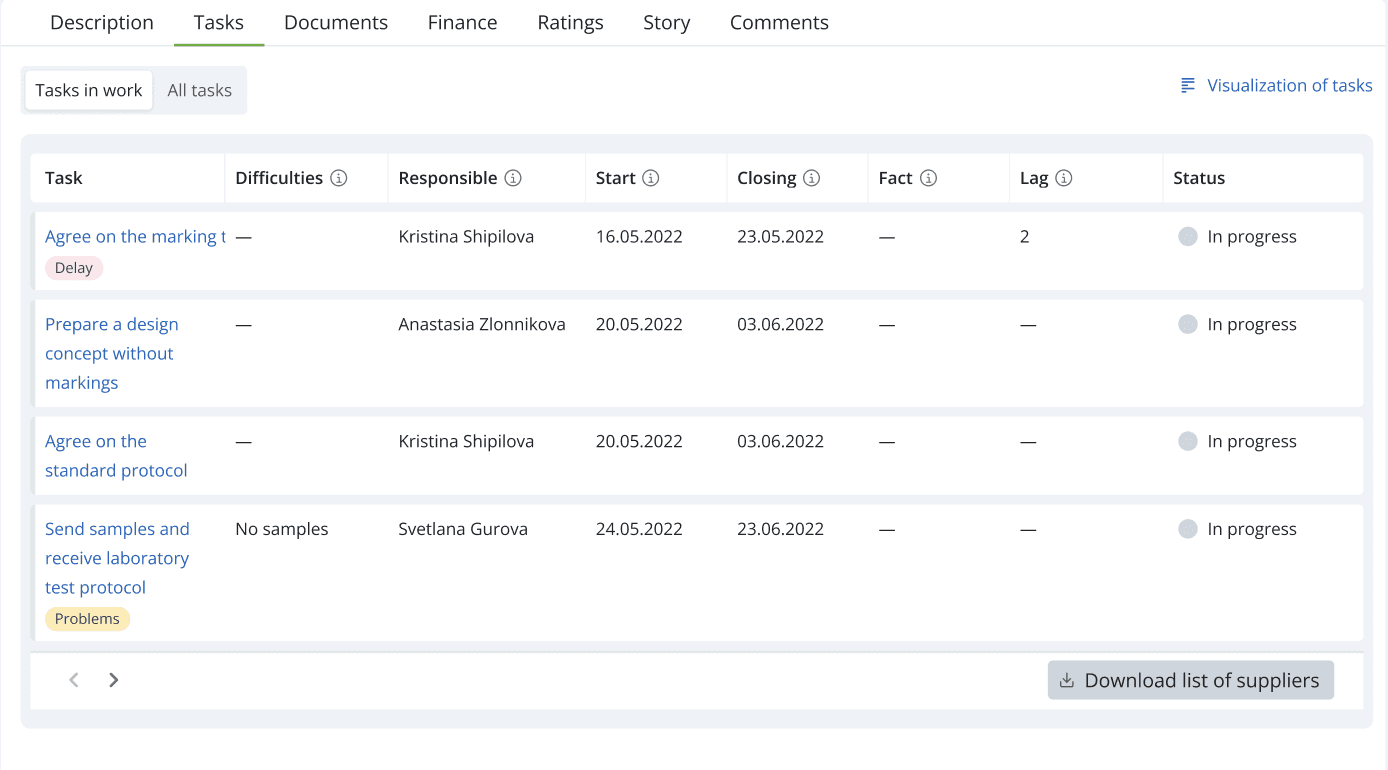
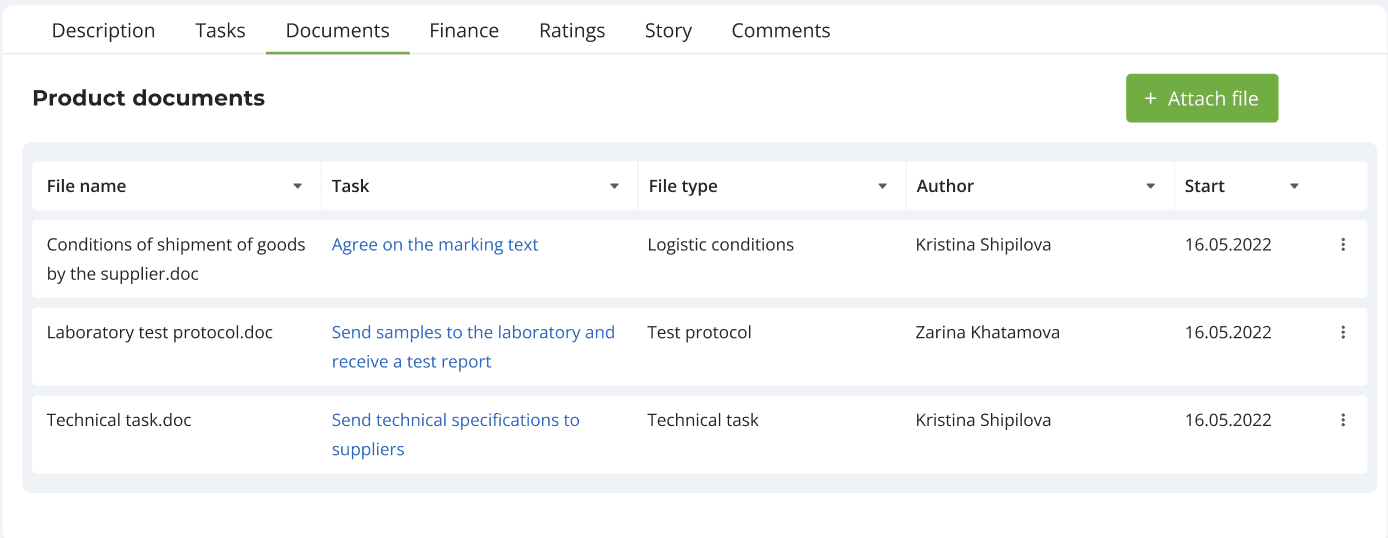
After approving the application, the products from it appear in the system and tasks and those responsible for their implementation are automatically assigned.
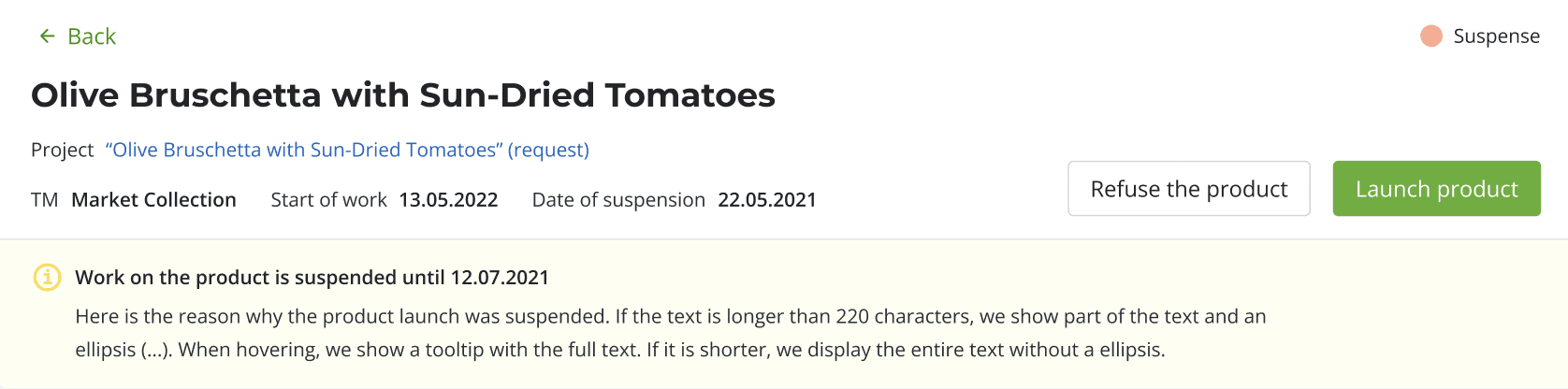
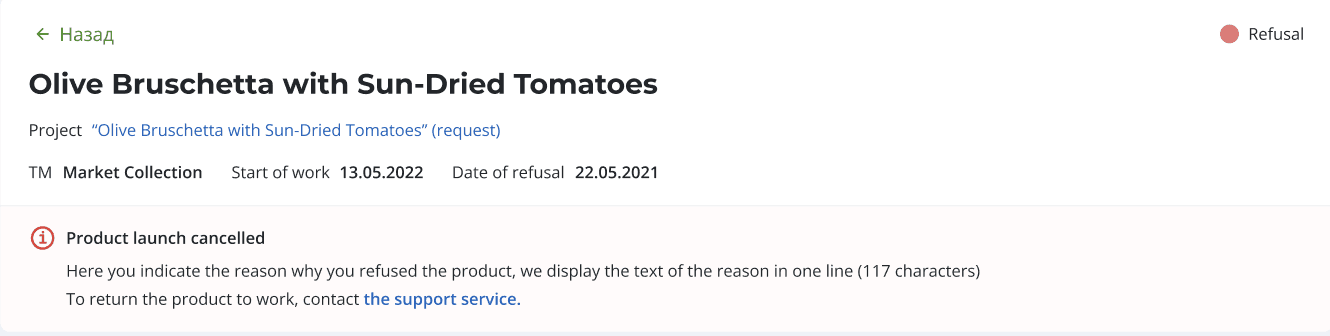
Work on any of the products may be suspended or cancelled
Goods
After approving the application, the products from it appear in the system and tasks and those responsible for their implementation are automatically assigned.
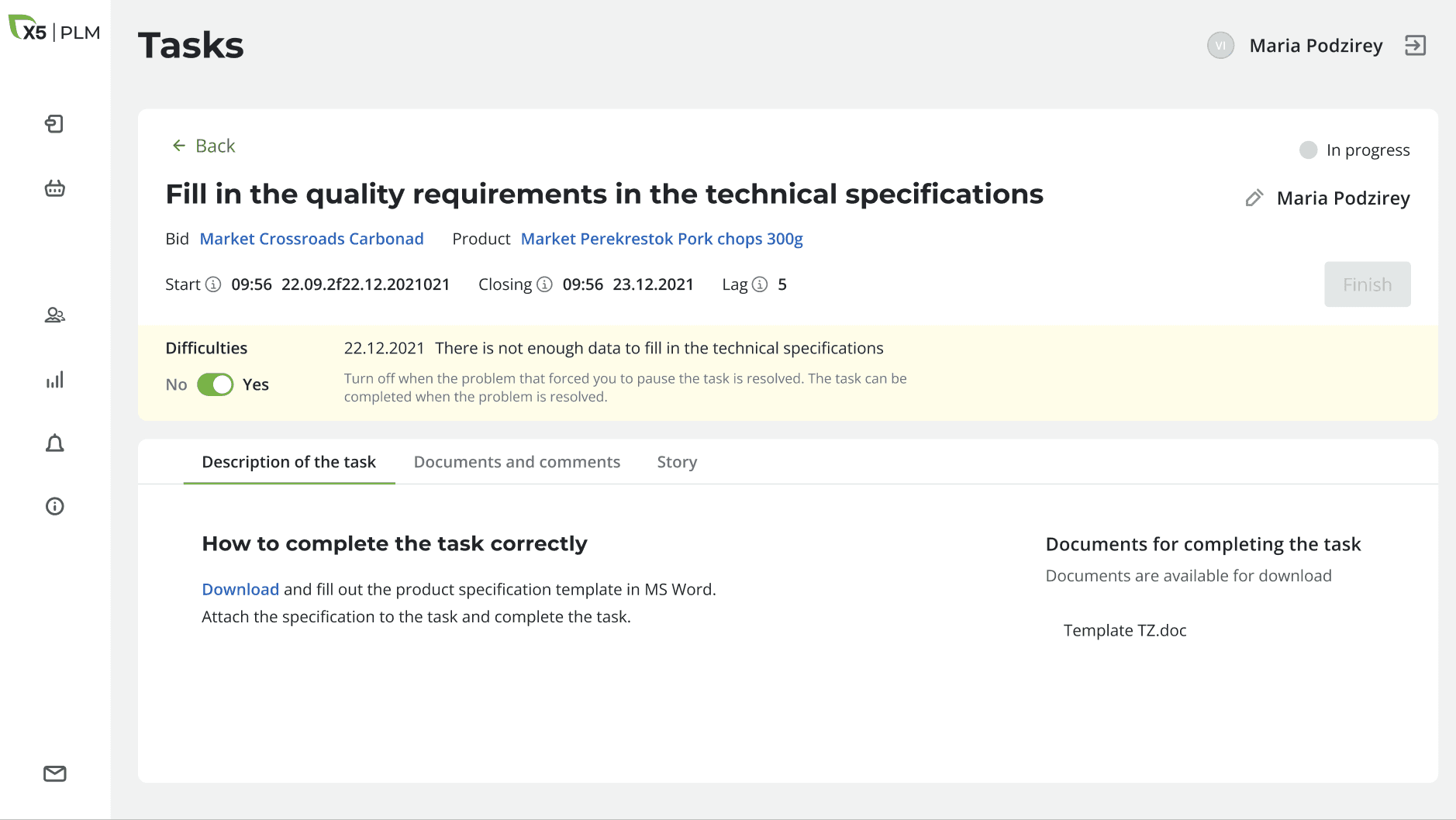
Tasks
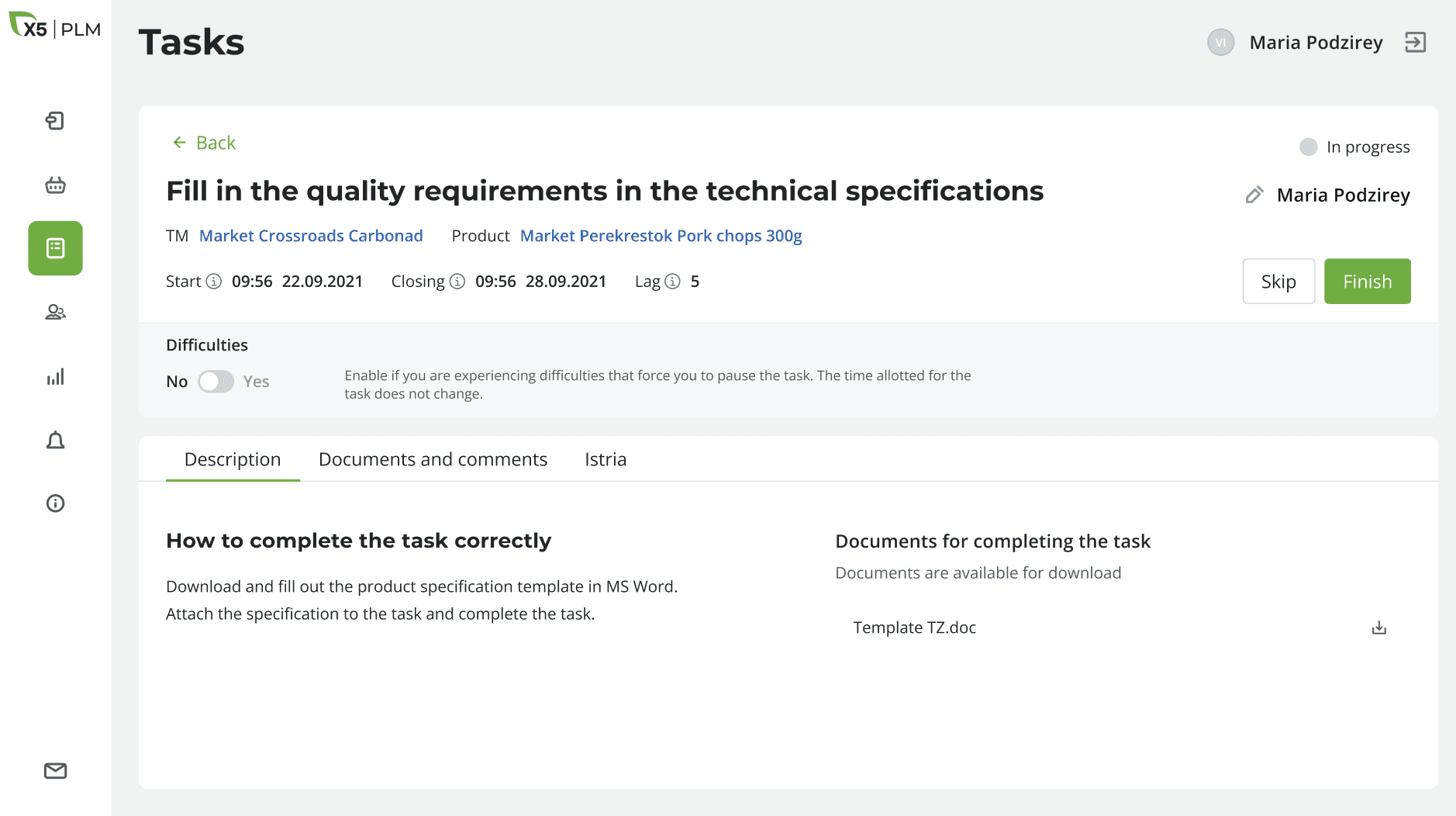
After approving the application, the products from it appear in the system and tasks and those responsible for their implementation are automatically assigned. The task card consists of:
📝
description
The task description contains instructions on how to correctly complete the task
🗂️
Documents
Each task has documents that must be filled out and uploaded to the system
📚
change history
History of all actions
on the task
Each task has a deadline
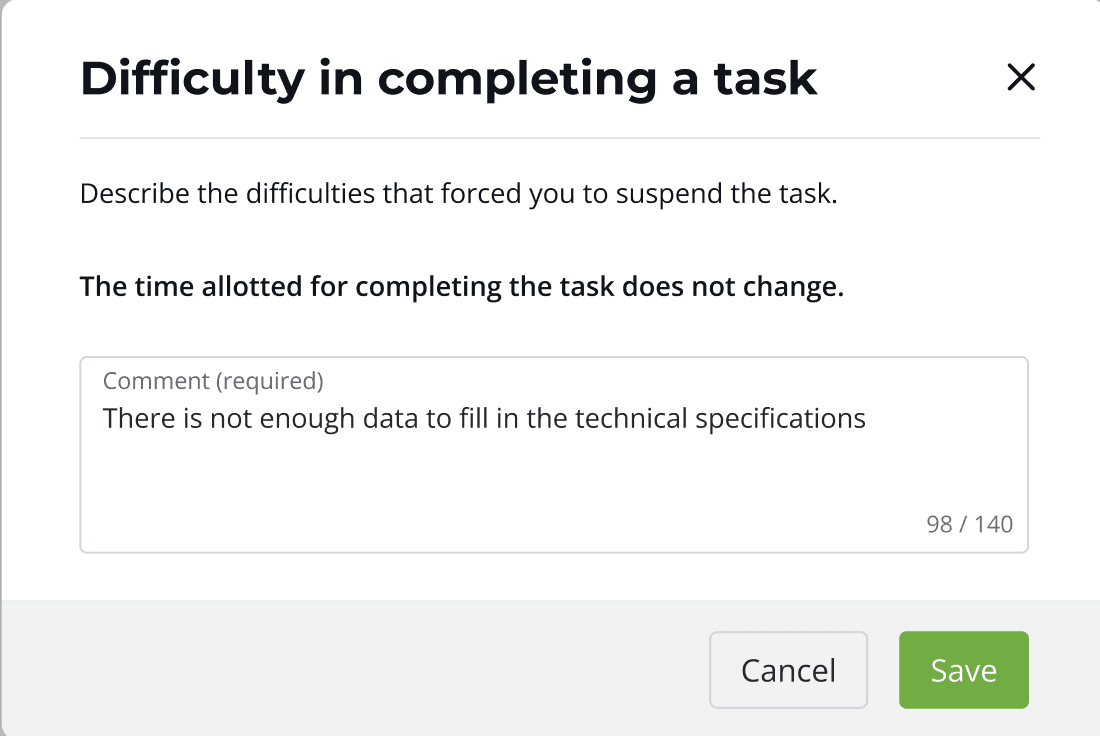
Any kind of difficulties may arise during the fulfillment of the task and it is necessary to inform about it, as it will depend on the timing of the launch of the goods for sale
Insight
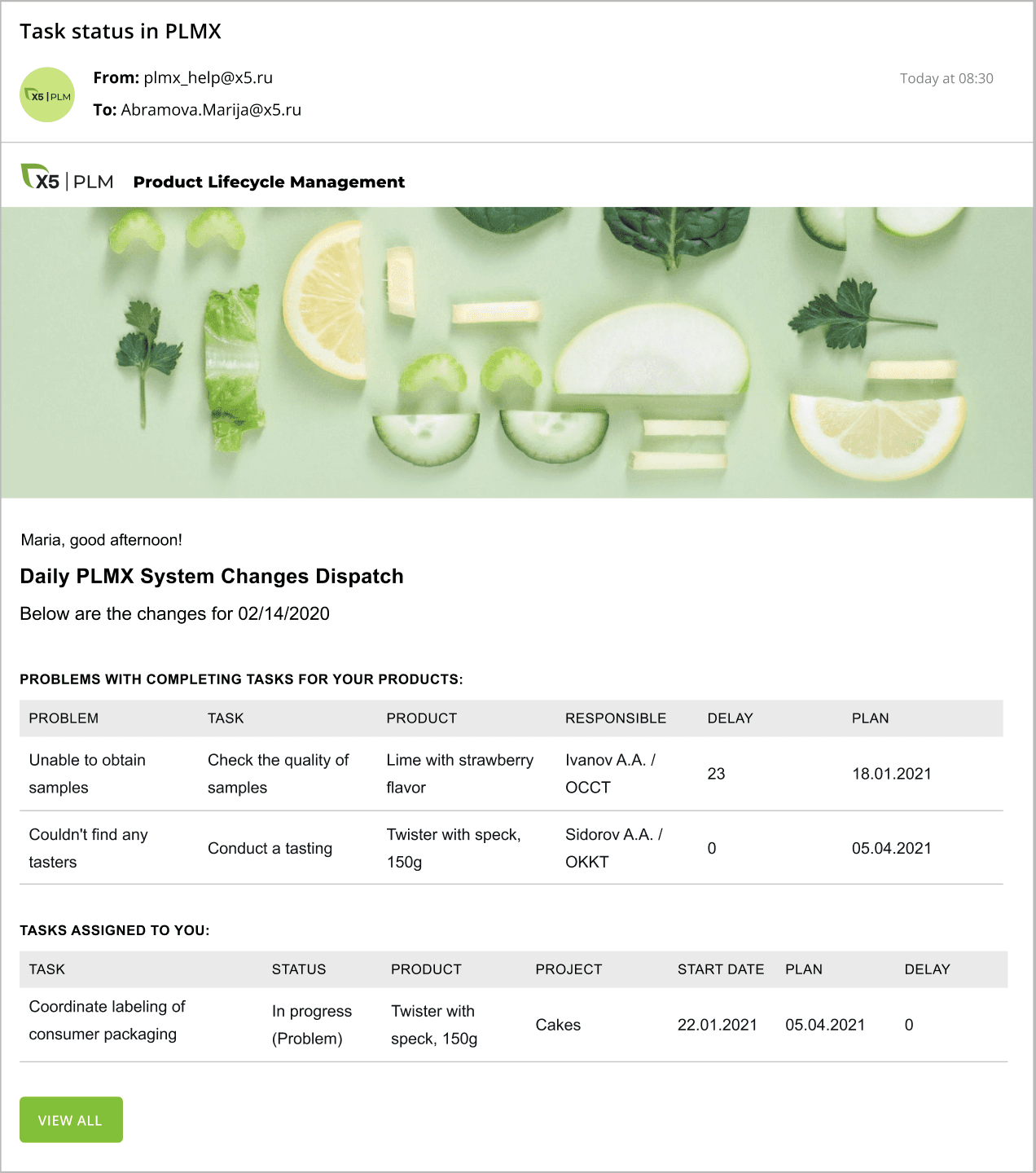
A very simple but effective solution was to create an e-mail newsletter that indicated tasks and changes for products and projects for which a specific manager is responsible.
This helped to very quickly reduce the downtime in completing the task, which, in turn, reduced the launch time for projects
Outcomes
Work on the project was difficult due to the large number of users with different roles and degrees of access to the platform (access to the platform was granted individually to external users). And also because of the requirements, which sometimes contradicted each other.
⏰
How long?
It took 8 months from the project's inception to the launch of the MVP
📝
What's done?
The entire life cycle of private label products has been completed
🏎️
How did it help?
Launch time has been cut in half - from 8-10 months to 4-5 months
In 2024, Perekrestok launched more than ten new private labels
For 2024, the average production of STM products from idea to hitting the shelves is 120-130 days. With the coordinated work of all launch participants and the absence of any rough edges, we managed to launch some products in 60 days.
Especially for testing the taste and appearance of new products, the chain opened a research center for STM quality - “Laboratory of Tastes and Ideas”.
Other Projects
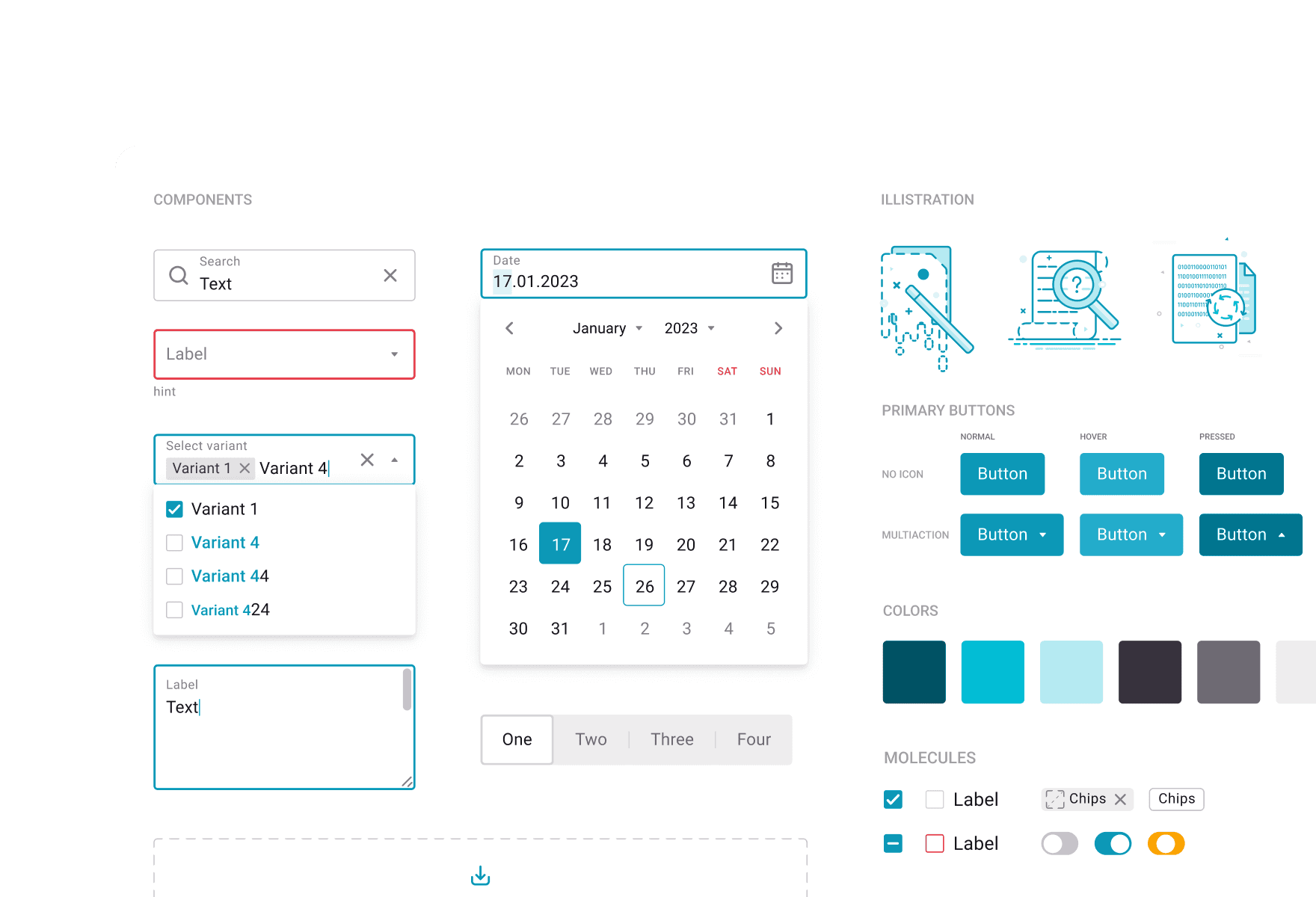
Building a design system
for scale and speed
Creating a design system for the Data Embassy platform was a strategic initiative aimed at ensuring visual consistency and faster UI development.